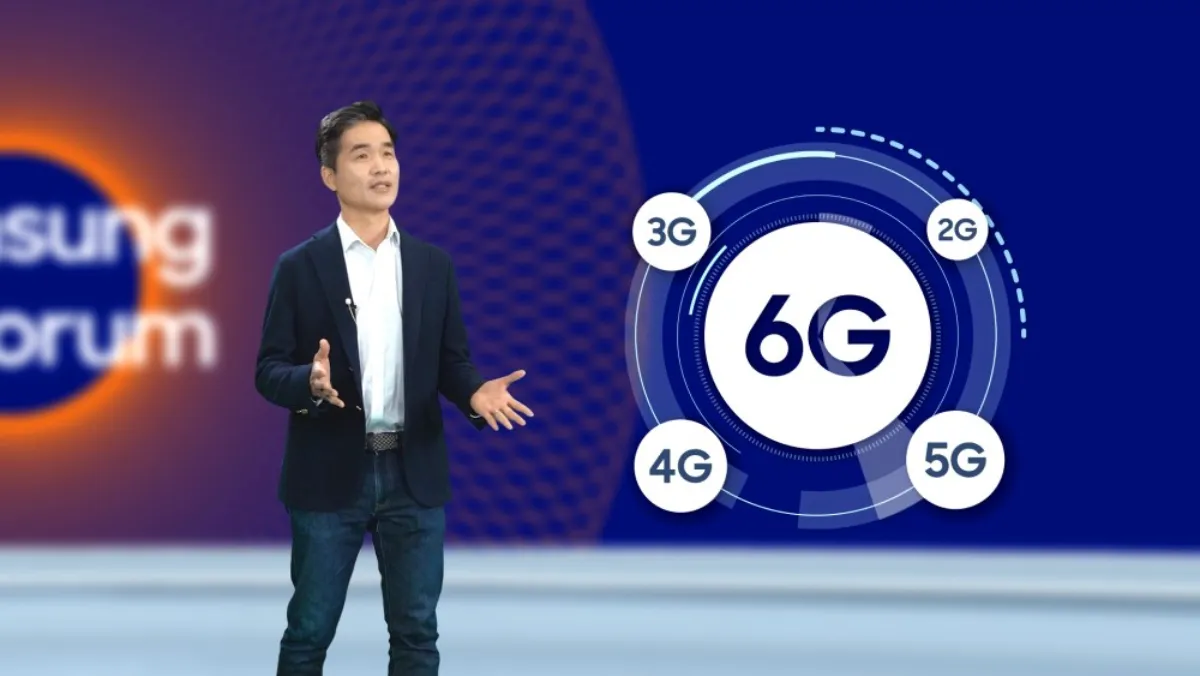
By Max
It might feel a bit soon to talk about 6G when 5G hasn’t even finished rolling out everywhere. But in telecom, innovation doesn’t happen overnight—there’s years of research, endless standard-setting meetings, and lots of testing before anything new hits the market.
6G’s big promises are impressive: speeds way beyond what we see with 5G, almost no delay, rock-solid reliability, and support for far more connected devices. Some early studies say 6G could be up to 100 times faster than current 5G, though what actually gets delivered depends on infrastructure and spectrum availability.
Getting started early lets Samsung influence global standards and cement its role before 6G becomes everyday reality.
Samsung’s Approach
Samsung’s telecom division keeps expanding, pouring resources into next-gen wireless research. They’re more than just the smartphone brand everyone knows—they supply the infrastructure that powers networks too.
Their 6G research zeroes in on things like:
– High-tech antennas
– AI to streamline networks
– Using the terahertz (THz) spectrum
– Energy-saving transmission methods
The terahertz spectrum is especially critical for 6G. It could push data speeds sky-high but isn’t easy to tame. The signals don’t travel far and can be disrupted by environmental factors. Samsung’s goal? Solve these problems early and help set the future rules for 6G tech.
The Worldwide Sprint for 6G
Samsung isn’t alone here. Governments, researchers, and tech giants all over North America, Europe, and Asia are busy chasing the next wireless revolution.
This isn’t just about faster phones. It’s about technologies like:
– Immersive augmented and virtual reality
– Self-driving transport networks
– Revolutionary remote healthcare
– AI-powered smart factories
– Massive IoT networks
Companies that lay the groundwork for 6G could lock in lucrative licensing deals and infrastructure contracts for years.
Daily Life: What Changes?
Commercial 6G networks aren’t coming until closer to 2030, but the expected impact is huge. Picture remote surgery happening in real time with zero lag, holographic calls that feel almost real, and billions of devices connecting all at once.
Some practical changes might look like:
– Glitch-free cloud gaming
– Instant file transfers between devices
– Smarter traffic and transport systems
– AI making decisions on the fly
That’s why the stakes are high—and why companies aren’t just focused on phones.
The Roadblocks
6G faces serious hurdles:
– Infrastructure costs: Upgrading means a lot of money spent on new base stations, spectrum, and gear.
– Technical limitations: Super-high frequencies offer speed but struggle with coverage and obstacles.
– Standardization: The world has to agree on the tech specs before everyone can jump in.
Samsung seems to be working through these challenges, blending ambition with practicality.
What’s Next for Samsung
Samsung’s 6G push ties into its big strategy: dominating across the tech landscape. As both a device maker and a network-builder, better connectivity benefits them everywhere—from phones and smart homes to wearables and AI-driven services.
By helping build 6G infrastructure, Samsung is carving out its role as a full-spectrum tech provider, not just another hardware company.
Peeking Into the Future
Research and development will roll on through the decade, but many industry watchers think 6G could start going mainstream around 2030. Samsung’s latest step shows they’re already laying the groundwork.
You won’t feel the impact right away, but it’s setting up a future where everything’s faster, smarter, and more seamlessly connected.
Final Take
Samsung’s progress in 6G shows how quickly telecom innovation is moving. They’re laying the foundation for the next big leap, even as 5G catches up.
By investing early in things like terahertz spectrum and AI-optimized networks, Samsung is making sure it’s a leading voice in shaping tomorrow’s connectivity. The path to 6G is still long, but breakthroughs like this make it clear: the next wireless wave is coming fast, and whoever leads now could define how we connect in the future.
Leave a Reply
You must be logged in to post a comment.